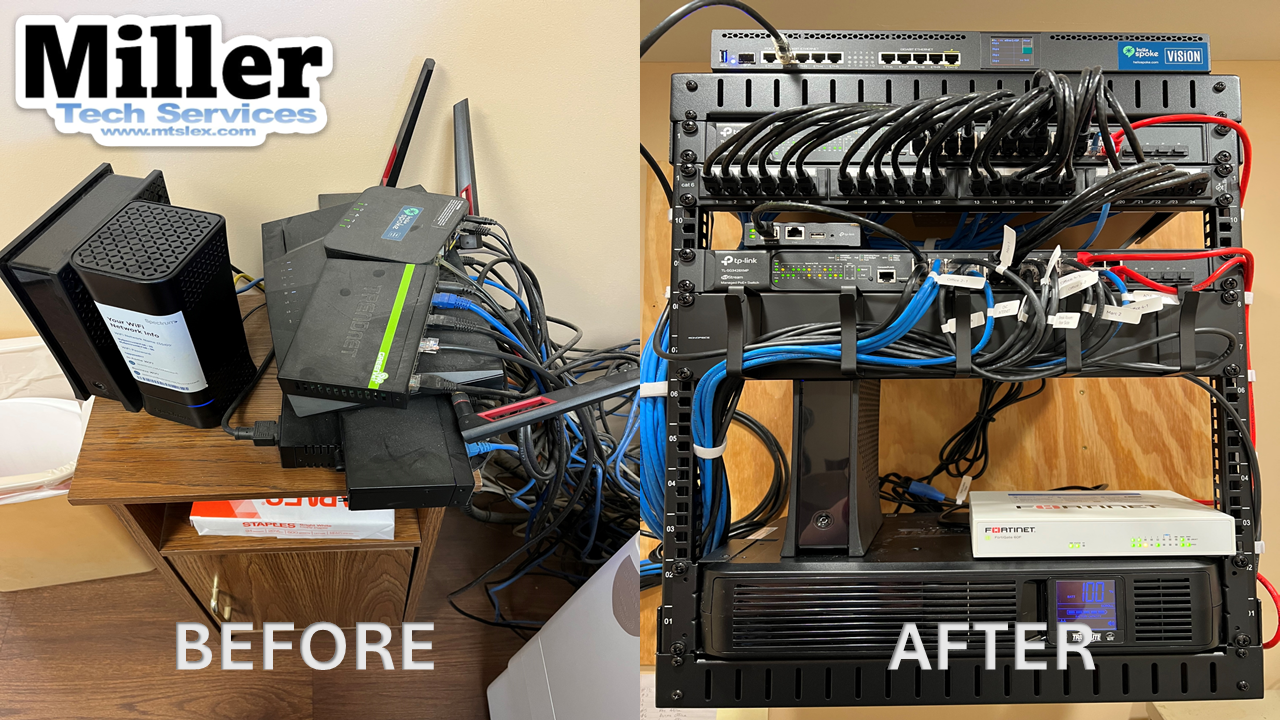
As technology rapidly advances, maintaining a competitive edge means staying up-to-date with the latest tools and systems, especially when it comes to your IT network infrastructure. Your IT infrastructure is the backbone of all operations, enabling seamless connectivity, data transfer, and system functionality across the organization. Many businesses are discovering that outdated infrastructure can act as a bottleneck, holding back growth, security, and innovation. In this post, we’ll explore the key benefits of upgrading your IT network infrastructure—and what risks can arise if you decide to delay this crucial investment.
Benefits of Upgrading Your IT Network Infrastructure
1. Enhanced Security
Security remains one of the most critical priorities for any business today. Older infrastructure is often more vulnerable to security threats, as it may not support the latest security protocols, making it easier for cybercriminals to exploit gaps and access sensitive information. With a network upgrade, you gain:
- Advanced Threat Protection: Modern infrastructures often come equipped with improved firewalls, encryption protocols, and access control measures that protect against malware, ransomware, and other cyber threats.
- Automated Updates and Patching: Newer systems can automate software updates, keeping your network protected against the latest vulnerabilities without manual intervention.
- Better Data Privacy Compliance: Upgrading can help ensure compliance with increasingly strict regulations like GDPR or CCPA by bolstering data security measures and reducing the risk of data breaches.
2. Increased Efficiency and Productivity
Slow and unreliable network systems are a productivity killer. Outdated infrastructure often results in network latency, frequent outages, and the kind of sluggish performance that can frustrate employees and reduce output. An upgraded network infrastructure helps by:
- Improving Network Speeds: Up-to-date infrastructure supports faster data transmission, which reduces load times, improves app performance, and allows teams to work without delay.
- Enabling Collaboration Tools: Upgraded networks are better equipped to support collaboration tools like cloud storage, video conferencing, and real-time document editing—ideal for today’s increasingly remote and distributed workforces.
- Minimizing Downtime: Modern infrastructure offers higher reliability and stability, meaning fewer interruptions and quicker recovery times if issues arise.
3. Scalability for Future Growth
Many businesses are reluctant to upgrade due to the associated costs. However, an outdated network infrastructure can actually limit your business’s ability to grow. By upgrading, you set your business up for sustainable expansion with:
- Support for Increased Data Volume: As your business scales, so will your data needs. New infrastructure can handle higher data volumes without compromising performance, ensuring seamless growth.
- Adaptability to New Technology: A modern infrastructure is more adaptable, allowing you to integrate new technologies like artificial intelligence, big data analytics, and Internet of Things (IoT) devices as your needs evolve.
- Flexible Deployment Options: With advances in network architecture, you can leverage hybrid models that allow for both on-premises and cloud-based solutions, offering flexibility and agility.
4. Cost Savings in the Long Run
Though upgrading your network infrastructure may require an initial investment, it can save significant costs in the long term. Here’s how:
- Reduced Maintenance Costs: Outdated systems are often expensive to maintain due to frequent breakdowns and costly repairs. Upgraded infrastructure reduces the need for constant fixes.
- Energy Efficiency: Newer systems often consume less energy and are designed for eco-efficiency, resulting in lower utility costs.
- Improved IT Staff Efficiency: With more efficient and reliable infrastructure, IT teams can shift from putting out fires to focusing on proactive projects that add value to the business.
Risks of Not Upgrading Your IT Network Infrastructure
1. Increased Vulnerability to Cyber Attacks
Hackers are constantly looking for security weaknesses in businesses’ systems, and outdated infrastructure is a prime target. Without the latest security measures, your business becomes more susceptible to data breaches, which can lead to costly fines, a loss of trust, and damage to your brand’s reputation. Moreover, a data breach can result in business downtime, which compounds the financial and operational impact of an attack.
2. Decreased Productivity and Morale
Employees rely on fast, reliable systems to perform at their best. When they encounter constant delays, slow connections, or poor-performing applications, it can be frustrating and demoralizing. Not upgrading your infrastructure can cause a decline in productivity, with employees spending more time managing or waiting for tools to work instead of focusing on strategic initiatives.
3. Loss of Competitive Edge
An outdated network infrastructure limits your ability to adapt to new technologies, giving your competitors who have upgraded a significant advantage. For example, if they are using cloud-based analytics or AI for customer insights, they can make quicker, data-driven decisions. A lagging infrastructure can also make it harder to adopt new customer service tools, leading to slower response times and lower customer satisfaction.
4. Potential for Higher Costs Due to Reactive Maintenance
Aging infrastructure tends to break down more frequently, leading to unexpected and potentially higher maintenance costs. This reactive approach to infrastructure management can drain budgets and resources that could otherwise be invested in proactive and profitable areas of the business.
Conclusion
Upgrading your IT network infrastructure is more than a technical improvement; it’s an investment in the long-term health and success of your business. From enhanced security and productivity to scalability and cost savings, the benefits far outweigh the initial investment. Conversely, delaying an upgrade can expose your business to unnecessary risks, from security vulnerabilities to reduced efficiency, increased costs, and lost opportunities.
In a world where digital transformation is driving the competitive landscape, ensuring your IT network infrastructure is up-to-date is essential to remain resilient, agile, and forward-thinking. Don’t wait until issues arise—upgrade now to future-proof your business, empower your team, and stay ahead of the curve.